
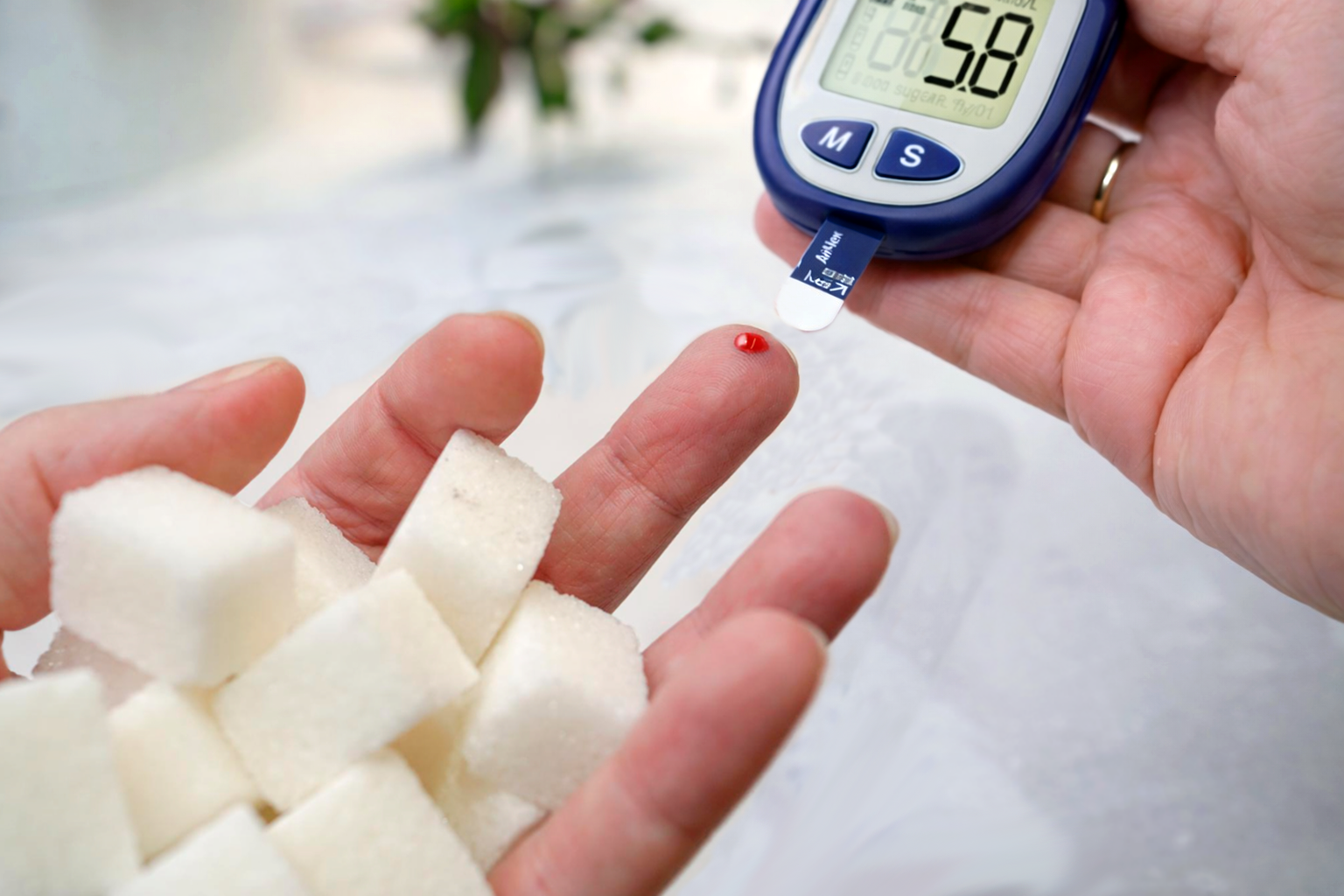
Today, hardly anyone has not heard about diabetes mellitus. Many know that this disease is characterized by elevated blood sugar, that it has formidable acute and chronic complications — leading to blindness, impaired kidney function and dysfunction of other organs, and that it is a major medical and social problem, for the solution of which enormous sums are spent in various countries.
Worldwide, more than 250 million patients suffering from diabetes mellitus are registered; in Russia — over 2.5 million people. The incidence of diabetes mellitus has taken on the character of an epidemic — according to statistical studies, every 10–15 years the number of cases of this condition doubles.
Physicians have known about diabetes mellitus for several thousand years. For the first time, as an independent disease, it was described by the ancient Egyptians. The term “diabetes” comes from the Greek διαβήτης, meaning “to pass through,” and was first used by the Greek physician Demetrios (2nd century BC). This disease was known to the ancient Indians and Chinese — they devised an original method of diagnosis using ants, flies, and wasps — insects were attracted to sweet urine. In 1675, Thomas Willis added to the word diabetes (Latin: diabetes) the word mellitus, which in Latin means “sweet as honey” (Latin: diabetes mellitus). For centuries, physicians could only diagnose diabetes but had no means of treating it effectively.
But in the 20th century, a great event was the confirmation of the endocrine function of the pancreas and the role of insulin in the development of diabetes by Frederick Banting and Charles Herbert Best. They first purified insulin extracted from the pancreas of cattle and used it to treat patients with diabetes in 1922. For this discovery, the scientists received the Nobel Prize in Medicine in 1923. The production of insulin and its use in the treatment of diabetes mellitus began to develop rapidly.
In the early years of insulin therapy, numerous difficulties had to be faced, which today are of only historical interest. Unresolved issues in the mid‑1920s included the technique of insulin administration, dose adjustment depending on food intake, systematic monitoring of insulin action, and the question of how independent the patient can and should be in conducting treatment. For example, in Japan, patients were allowed to self‑administer insulin only in 1981.
Over many years, scientists worked on improving insulin preparations. A breakthrough was the introduction of insulin obtained through genetic engineering. In its chemical composition and structure, this insulin is identical to the insulin produced in the human pancreas.
An equally complex task was the search for possible ways to imitate normal insulin secretion. Our pancreas (namely, the beta cells of the islets of Langerhans) constantly produces insulin — in small amounts (basal secretion) to maintain normal blood sugar levels at night and in the absence of meals. But after eating, when carbohydrates enter the body, a larger amount of insulin is released to normalize blood sugar (peak secretion).
Today, to mimic physiological insulin secretion in patients with diabetes mellitus (in all those with type 1 diabetes and a significant proportion of those with type 2), the so‑called intensified regimen is used, in which basal secretion is provided by long‑acting insulin (this may be insulin acting for 10–16 hours or 24 hours) — requiring 2 or 1 injection per day, and peak secretion is provided by short‑acting insulin — requiring 3–4 injections per day.
However, achieving satisfactory compensation of diabetes requires considerable effort — one must take into account the action profile of both short‑acting and basal insulin, which, as a rule, does not preclude significant fluctuations in blood sugar levels even in “experienced” patients. And in children, it is practically impossible to achieve optimal glycemic values, which leads to the development of serious complications by 20–30 years of age, limiting working capacity.
There is another category of patients, or rather female patients, planning to carry a pregnancy — in this case, stable compensation of diabetes is required to prevent pregnancy complications, reduce the risk of severe fetal malformations, and prevent severe vascular complications.
Today, thanks to the rapid development and implementation of computer technologies, including in medicine, we have the opportunity to actually achieve optimal values of carbohydrate metabolism with the help of an “artificial” pancreas. Thus, insulin pumps (dosers) — devices for the continuous administration of insulin, maximally imitating the insulin secretion of a healthy person and allowing flexible response to changes in blood sugar levels — are sometimes called by this name. The appearance of new devices and insulin preparations has made it possible to bring insulin therapy closer to the body’s natural need for insulin.
The operation of an insulin pump is based on the basal‑bolus (intensified) principle of insulin delivery. In this case, unlike therapy using syringes and pen injectors, only one type of short‑acting (or ultra‑short‑acting) insulin is used, which makes it possible to avoid insulin deposition under the skin and reduce the risk of hypoglycemic states. By means of microprocessor settings, the movement of the plunger mechanism is controlled in such a way that the necessary (taking into account individual characteristics) basal insulin level is created, maintaining normal blood sugar values throughout the day. After a meal, the need for insulin increases sharply — and to create a bolus, the same short‑acting insulin is administered in the required dose by pressing a button (or remote control).
Depending on the individual needs of the body for insulin, the insulin pump can be programmed for different modes of insulin administration. Most patients, whose insulin needs change during the day, require three different modes per day: daytime insulin delivery rate, a lower rate at night, and an increased rate in the early morning hours. It is also possible to temporarily change the basal insulin dose for periods of increased physical activity (sports), and sometimes to temporarily remove the device (when visiting a swimming pool, shower, or sauna).
In the modern world, pump insulin therapy is accepted as the “gold standard” in the treatment of type 1 diabetes mellitus. Its undoubted advantages include:
It should also be noted that when using insulin pumps, the patient may encounter certain difficulties. The pump is a foreign object, the size of a pager, which must be carried with you almost constantly. For some, this may cause psychological discomfort, a feeling of the presence of a “foreign body,” or fear of damaging an expensive mechanism.
If the infusion system is incorrectly installed or damaged, insulin delivery may be disrupted (to prevent such cases, company representatives provide individual patient training). Due to the absence of a drug “depot” in the subcutaneous tissue, insulin deficiency quickly leads to hyperglycemia — therefore, when using a pump, high blood sugar levels cannot be ignored (which patients using multiple injections often “sin” by doing). Thus, ketoacidosis, as an acute complication of diabetes, develops much faster during pump therapy than in patients using standard insulin injection regimens. But according to research data from US scientists (2008), the number of ketoacidosis cases when using pump insulin therapy is significantly lower than with multiple injection regimens.
Technologies are improving, and already now one of the companies offers the world’s first integrated system — a sensor and an insulin pump, which displays glycemia in real time and sends signals when blood sugar levels go outside the optimal range.
Today, financial costs when using an insulin pump are much higher compared to treatment with insulin in a multiple injection regimen. But according to data from the NICE institute (National Institute for Health and Clinical Excellence, United Kingdom), they are compensated by a significant reduction in subsequent expenses for treating severe chronic complications of diabetes (especially in children).
For successful use of an insulin pump, it is necessary to regularly measure blood sugar levels, assess the amount of carbohydrates received from food, and accordingly adjust the insulin dose, as well as to know which factors affect insulin requirements.
But a pump is not just a device for administering insulin — with the help of connected devices and software, data can be output to a computer or mobile phone and the obtained information can be analyzed, which will make it possible to better understand the intricacies of therapy, strengthen control over the disease, and make informed decisions.
Worldwide, more than 250 million patients suffering from diabetes mellitus are registered; in Russia — over 2.5 million people. The incidence of diabetes mellitus has taken on the character of an epidemic — according to statistical studies, every 10–15 years the number of cases of this condition doubles.
Physicians have known about diabetes mellitus for several thousand years. For the first time, as an independent disease, it was described by the ancient Egyptians. The term “diabetes” comes from the Greek διαβήτης, meaning “to pass through,” and was first used by the Greek physician Demetrios (2nd century BC). This disease was known to the ancient Indians and Chinese — they devised an original method of diagnosis using ants, flies, and wasps — insects were attracted to sweet urine. In 1675, Thomas Willis added to the word diabetes (Latin: diabetes) the word mellitus, which in Latin means “sweet as honey” (Latin: diabetes mellitus). For centuries, physicians could only diagnose diabetes but had no means of treating it effectively.
But in the 20th century, a great event was the confirmation of the endocrine function of the pancreas and the role of insulin in the development of diabetes by Frederick Banting and Charles Herbert Best. They first purified insulin extracted from the pancreas of cattle and used it to treat patients with diabetes in 1922. For this discovery, the scientists received the Nobel Prize in Medicine in 1923. The production of insulin and its use in the treatment of diabetes mellitus began to develop rapidly.
In the early years of insulin therapy, numerous difficulties had to be faced, which today are of only historical interest. Unresolved issues in the mid‑1920s included the technique of insulin administration, dose adjustment depending on food intake, systematic monitoring of insulin action, and the question of how independent the patient can and should be in conducting treatment. For example, in Japan, patients were allowed to self‑administer insulin only in 1981.
Over many years, scientists worked on improving insulin preparations. A breakthrough was the introduction of insulin obtained through genetic engineering. In its chemical composition and structure, this insulin is identical to the insulin produced in the human pancreas.
An equally complex task was the search for possible ways to imitate normal insulin secretion. Our pancreas (namely, the beta cells of the islets of Langerhans) constantly produces insulin — in small amounts (basal secretion) to maintain normal blood sugar levels at night and in the absence of meals. But after eating, when carbohydrates enter the body, a larger amount of insulin is released to normalize blood sugar (peak secretion).
Today, to mimic physiological insulin secretion in patients with diabetes mellitus (in all those with type 1 diabetes and a significant proportion of those with type 2), the so‑called intensified regimen is used, in which basal secretion is provided by long‑acting insulin (this may be insulin acting for 10–16 hours or 24 hours) — requiring 2 or 1 injection per day, and peak secretion is provided by short‑acting insulin — requiring 3–4 injections per day.
However, achieving satisfactory compensation of diabetes requires considerable effort — one must take into account the action profile of both short‑acting and basal insulin, which, as a rule, does not preclude significant fluctuations in blood sugar levels even in “experienced” patients. And in children, it is practically impossible to achieve optimal glycemic values, which leads to the development of serious complications by 20–30 years of age, limiting working capacity.
There is another category of patients, or rather female patients, planning to carry a pregnancy — in this case, stable compensation of diabetes is required to prevent pregnancy complications, reduce the risk of severe fetal malformations, and prevent severe vascular complications.
Today, thanks to the rapid development and implementation of computer technologies, including in medicine, we have the opportunity to actually achieve optimal values of carbohydrate metabolism with the help of an “artificial” pancreas. Thus, insulin pumps (dosers) — devices for the continuous administration of insulin, maximally imitating the insulin secretion of a healthy person and allowing flexible response to changes in blood sugar levels — are sometimes called by this name. The appearance of new devices and insulin preparations has made it possible to bring insulin therapy closer to the body’s natural need for insulin.
The operation of an insulin pump is based on the basal‑bolus (intensified) principle of insulin delivery. In this case, unlike therapy using syringes and pen injectors, only one type of short‑acting (or ultra‑short‑acting) insulin is used, which makes it possible to avoid insulin deposition under the skin and reduce the risk of hypoglycemic states. By means of microprocessor settings, the movement of the plunger mechanism is controlled in such a way that the necessary (taking into account individual characteristics) basal insulin level is created, maintaining normal blood sugar values throughout the day. After a meal, the need for insulin increases sharply — and to create a bolus, the same short‑acting insulin is administered in the required dose by pressing a button (or remote control).
Depending on the individual needs of the body for insulin, the insulin pump can be programmed for different modes of insulin administration. Most patients, whose insulin needs change during the day, require three different modes per day: daytime insulin delivery rate, a lower rate at night, and an increased rate in the early morning hours. It is also possible to temporarily change the basal insulin dose for periods of increased physical activity (sports), and sometimes to temporarily remove the device (when visiting a swimming pool, shower, or sauna).
In the modern world, pump insulin therapy is accepted as the “gold standard” in the treatment of type 1 diabetes mellitus. Its undoubted advantages include:
- achievement of normal glycemic and glycated hemoglobin values, which will prevent the development or progression of formidable diabetes complications
- reduction in the number of injections — the infusion system is replaced once every 3 days
- reduction in daily insulin requirement by 20–25%
- high dosing accuracy — allows the use of pump insulin therapy even in infants
- reduction in the frequency of hypoglycemic states (up to their complete disappearance)
- freedom in choosing food products and meal schedule
- active participation in sports
- improvement in quality of life — management of insulin therapy according to lifestyle
It should also be noted that when using insulin pumps, the patient may encounter certain difficulties. The pump is a foreign object, the size of a pager, which must be carried with you almost constantly. For some, this may cause psychological discomfort, a feeling of the presence of a “foreign body,” or fear of damaging an expensive mechanism.
If the infusion system is incorrectly installed or damaged, insulin delivery may be disrupted (to prevent such cases, company representatives provide individual patient training). Due to the absence of a drug “depot” in the subcutaneous tissue, insulin deficiency quickly leads to hyperglycemia — therefore, when using a pump, high blood sugar levels cannot be ignored (which patients using multiple injections often “sin” by doing). Thus, ketoacidosis, as an acute complication of diabetes, develops much faster during pump therapy than in patients using standard insulin injection regimens. But according to research data from US scientists (2008), the number of ketoacidosis cases when using pump insulin therapy is significantly lower than with multiple injection regimens.
Technologies are improving, and already now one of the companies offers the world’s first integrated system — a sensor and an insulin pump, which displays glycemia in real time and sends signals when blood sugar levels go outside the optimal range.
Today, financial costs when using an insulin pump are much higher compared to treatment with insulin in a multiple injection regimen. But according to data from the NICE institute (National Institute for Health and Clinical Excellence, United Kingdom), they are compensated by a significant reduction in subsequent expenses for treating severe chronic complications of diabetes (especially in children).
For successful use of an insulin pump, it is necessary to regularly measure blood sugar levels, assess the amount of carbohydrates received from food, and accordingly adjust the insulin dose, as well as to know which factors affect insulin requirements.
But a pump is not just a device for administering insulin — with the help of connected devices and software, data can be output to a computer or mobile phone and the obtained information can be analyzed, which will make it possible to better understand the intricacies of therapy, strengthen control over the disease, and make informed decisions.
