
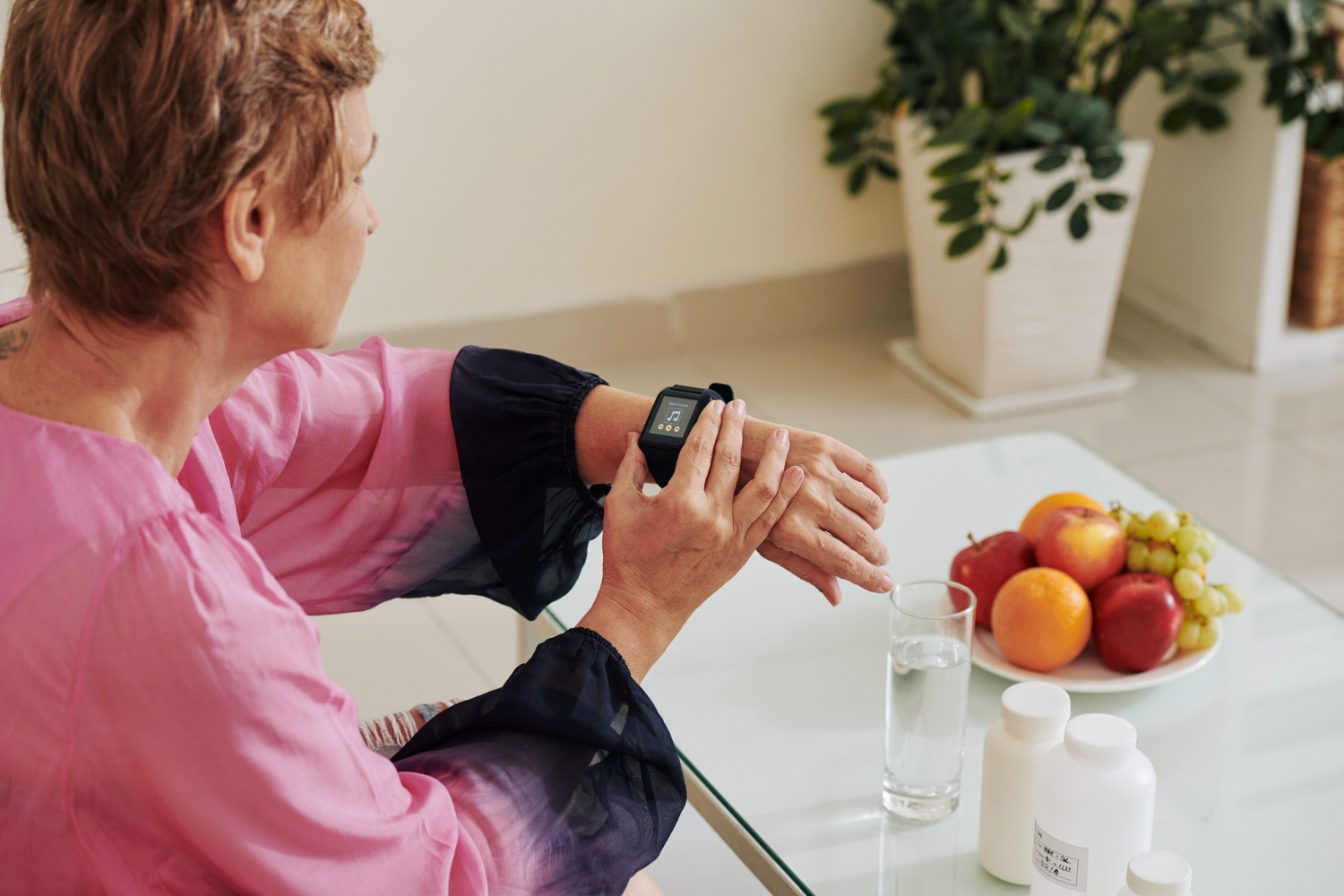
Regular moderate physical activity increases insulin sensitivity, helps better control blood sugar, reduces the risk of cardiovascular complications, and improves overall well‑being.
type 2 diabetes, workouts require a bit more planning: you need to take into
account your glucose level, the risk of hypo‑ and hyperglycemia, and the
Minimum Set of Examinations Before Starting
· General examination by an endocrinologist
o Type of diabetes, duration of the disease, therapy regimen (insulin, tablets), level of compensation (HbA1c), presence of hypo‑ or hyperglycemia are discussed.
· Basic cardiac diagnostics
o Resting ECG
o If indicated — stress test, Holter monitoring, echocardiography, especially in type 2 diabetes and/or in the presence of risk factors (hypertension, excess weight, age 40+).
· Assessment of blood vessels and legs
o Foot examination, sensitivity testing, skin and vessel condition; podiatrist/surgeon consultation if needed.
o Any ulcers, calluses, or non‑healing wounds are a reason to focus on treatment first, and only then add walking and other types of activity.
· Ophthalmologist (eyes)
o In diabetic retinopathy, activities with sudden spikes in blood pressure (jerks, heavy strength training, exercises with strong straining) are not recommended.
· In type 1 diabetes — training on insulin adjustment
o A doctor/diabetes nurse explains when and by how much you can reduce bolus/basal insulin before a workout, how to assess the risk of hypoglycemia, and what to take with you.
Blood Sugar Control Before a Workout
For both types of diabetes, the rule is the same: check glucose before
· If blood sugar is below 4–5 mmol/L — have a snack first (fast‑acting carbohydrate +, if needed, a small amount of slow‑acting), then start the workout.
· The optimal range to start moderate aerobic exercise is often around 7–10 mmol/L (or 100–200 mg/dL).
· If glucose is above 13–15 mmol/L, especially in type 1 diabetes, it’s important to check for ketones; in significant ketosis, you should not exercise until levels normalize.
· During prolonged (30–60+ minutes) and/or intense exercise, you may need to reduce your rapid‑acting insulin dose before the workout by 25–75%, depending on duration and intensity; this is adjusted individually.
· Fast‑acting carbohydrates (glucose tablets, juice, sugary candies)
· Water
· Glucometer or continuous glucose monitor (CGM)
How to Choose a Safe Workout for a Beginner
· Start with light activity, then progress to moderate intensity
· Gradually increase duration from 5–10 to 30–45 minutes
1. Walking
How to start:
· First 1–2 weeks:
o 5–10 minutes of calm walking, 1–2 times per day
o Pace: “you can talk without getting out of breath”
Options:
· Regular walking on flat terrain
Special attention:
· Comfortable shoes, without rubbing or pressure
2. Swimming and Water Aerobics
Water reduces the load on joints and the spine, so swimming and water‑based activities are well suited for people with excess weight, osteoarthritis, or back pain.
How to use:
· Start with 10–15 minutes of calm swimming or water aerobics
· Gradually increase to 30–40 minutes, 2–3 times per week
Advantages:
· Even aerobic load
· Gentle training of the cardiovascular system
3. Therapeutic Exercise and Home Workouts
Therapeutic exercise (physiotherapy) and gentle gymnastics are a good option for those who are afraid to go straight to the gym or have limitations due to joints or heart issues.
Options:
· Exercises lying or sitting (on a chair, stool) with gentle swings, bending and extending movements
· Simple joint mobility exercises, breathing exercises
· Therapeutic exercise programs designed by a doctor or instructor, including “stool‑based workouts” for people with limited mobility.
· If you have excess weight
· After long periods of inactivity
What’s Different in Type 1 vs Type 2 Diabetes
Type 1 Diabetes
Features:
· Insulin is always “in play,” so the risk of hypoglycemia during exercise is higher
· It’s important to know how a particular workout affects your blood sugar (keep a log: time, type of activity, duration, glucose before/after).
Key points:
· Always measure blood sugar before, sometimes during, and after the workout
· For planned activity, discuss insulin dose adjustment with your doctor
· Do not exercise during significant hyperglycemia and presence of ketones
Type 2 Diabetes
Features:
· Physical activity often helps reduce insulin resistance, lower medication doses, and improve body weight
· Concomitant problems are more common: hypertension, coronary heart disease, excess weight, joint issues.
Key points:
· Focus on regular aerobic activity of light to moderate intensity (walking, swimming, cycling)
· Gradually increase duration to 45–60 minutes
General Safety Rules at the Start
· Do not exercise on an empty stomach
· Always do a warm‑up and cool‑down
· Monitor how you feel
o Shortness of breath, dizziness, chest pain, sudden weakness — stop immediately and measure your blood sugar and blood pressure.
· Plan long activities in advance
o A long walk, trip to the pool, or gardening work should be planned ahead, taking into account food, insulin/tablets, and glucose monitoring.
· Take care of your feet
o Comfortable shoes, cotton socks, inspect your legs before and after the session, especially if you have neuropathy.
Bottom Line: A Safe Start Without Heroics
Starting to exercise with type 1 and type 2 diabetes is both realistic and beneficial if you undergo minimal screening, control your blood sugar before (and, if needed, during) the workout, and choose types of activity that your body can comfortably handle.
The best start is not a “tough gym from Monday,” but calm walking, swimming, or therapeutic exercise, beginning with 5–10 minutes and gradually increasing the time to half an hour or more, while always keeping a glucometer and fast‑acting carbohydrates within reach.
